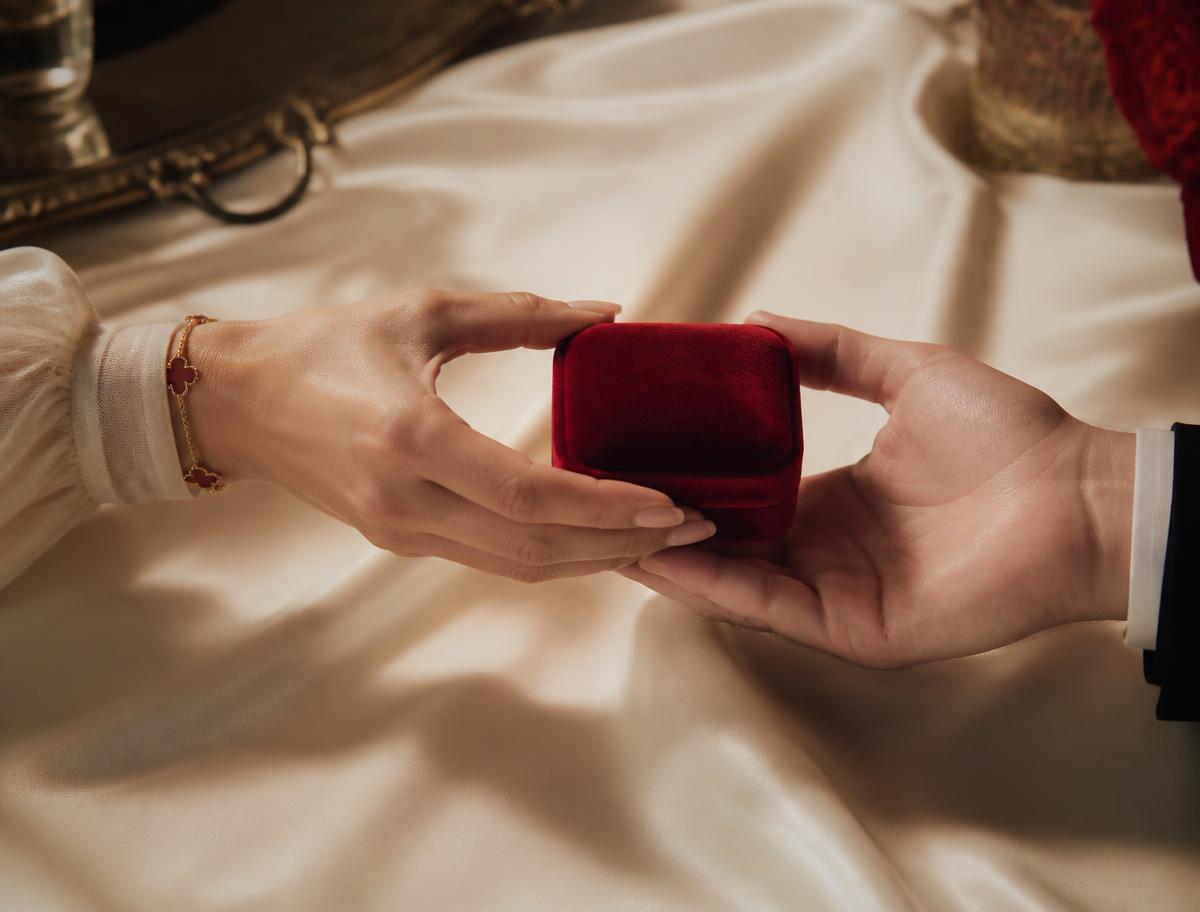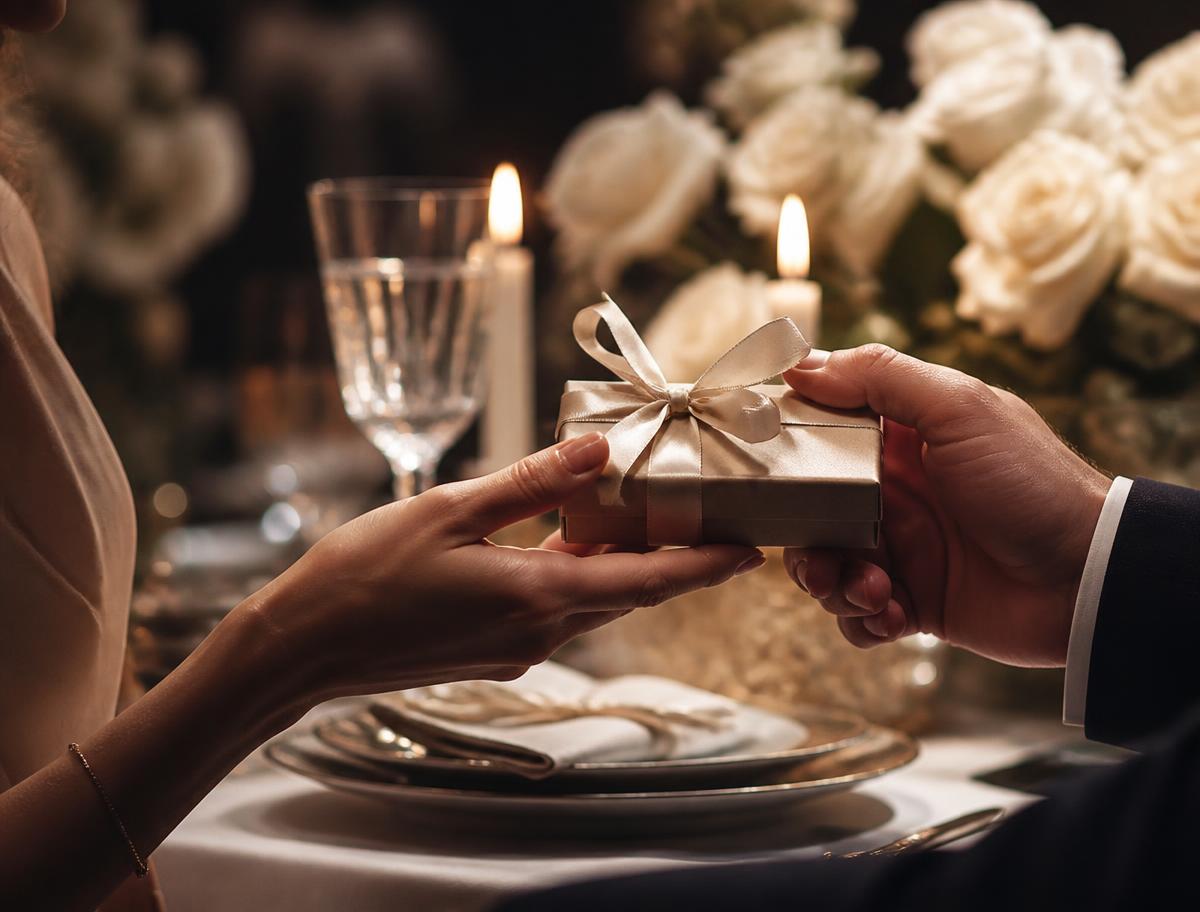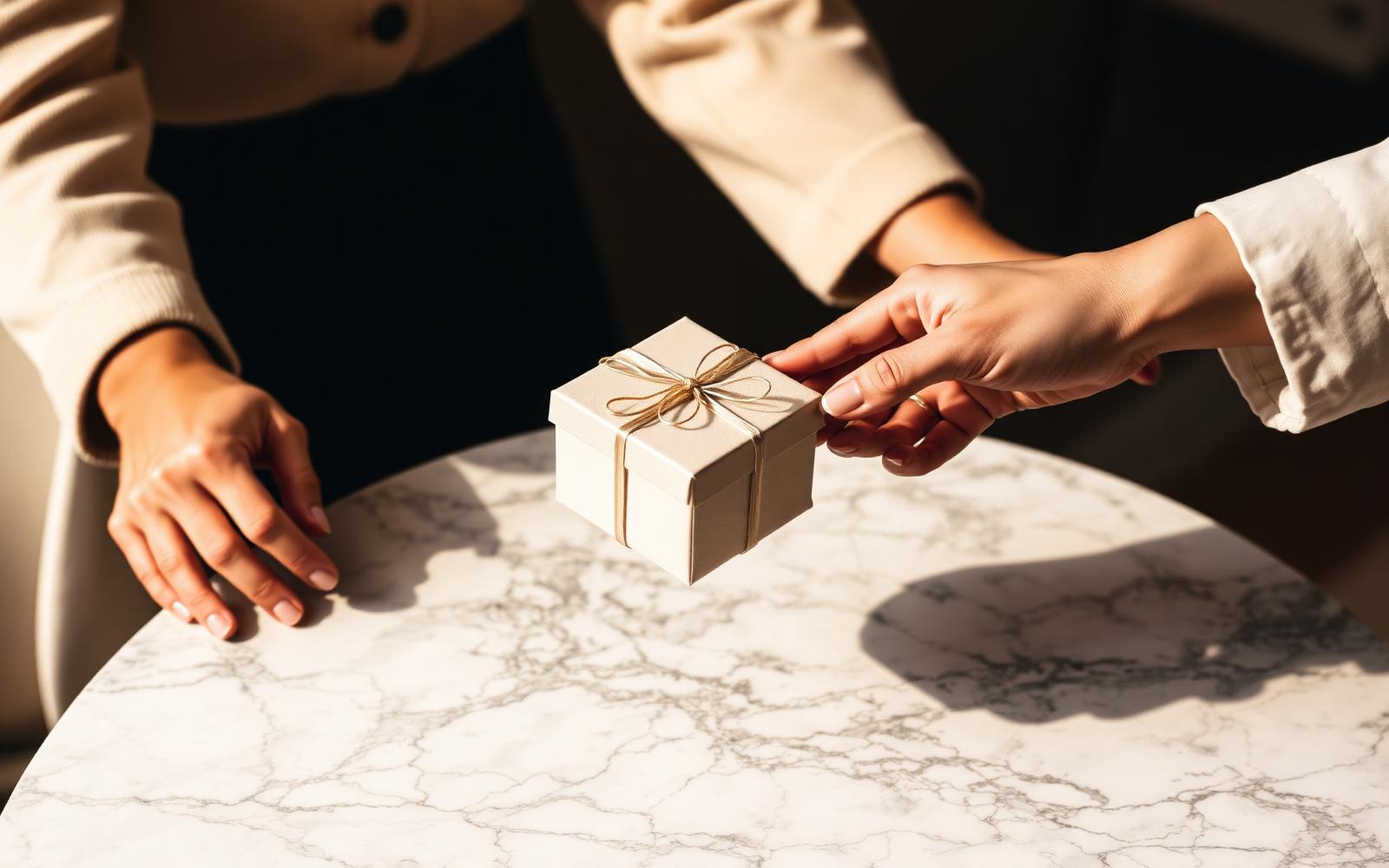
What the research says about how the sexes read a gift — and why they so often misread each other.
Behavioural research on gift exchange keeps returning to the same asymmetry: givers over-value surprise, receivers over-value usefulness. In a well-cited series of studies out of Stanford and Harvard Business School, recipients consistently preferred the gift they had explicitly asked for, while givers believed the unrequested gift would land better. The giver is performing insight. The receiver is hoping to be listened to.
That gap is gendered in its expression more than its substance. Men, on average, report gifting as a discrete act — a thing chosen, purchased, delivered, complete. Women more often describe it as a continuation of an existing conversation. Neither is more generous. They are simply keeping different ledgers.
The practical consequence is unromantic and freeing: a wishlist is not a reduction of romance. It is the transfer of the information the giver was guessing at anyway. What remains for him is the part that was always his — the timing, the note, the decision of which of your wishes to answer first.
“A wishlist does not remove the surprise. It moves the surprise to where it belongs — the choosing.”
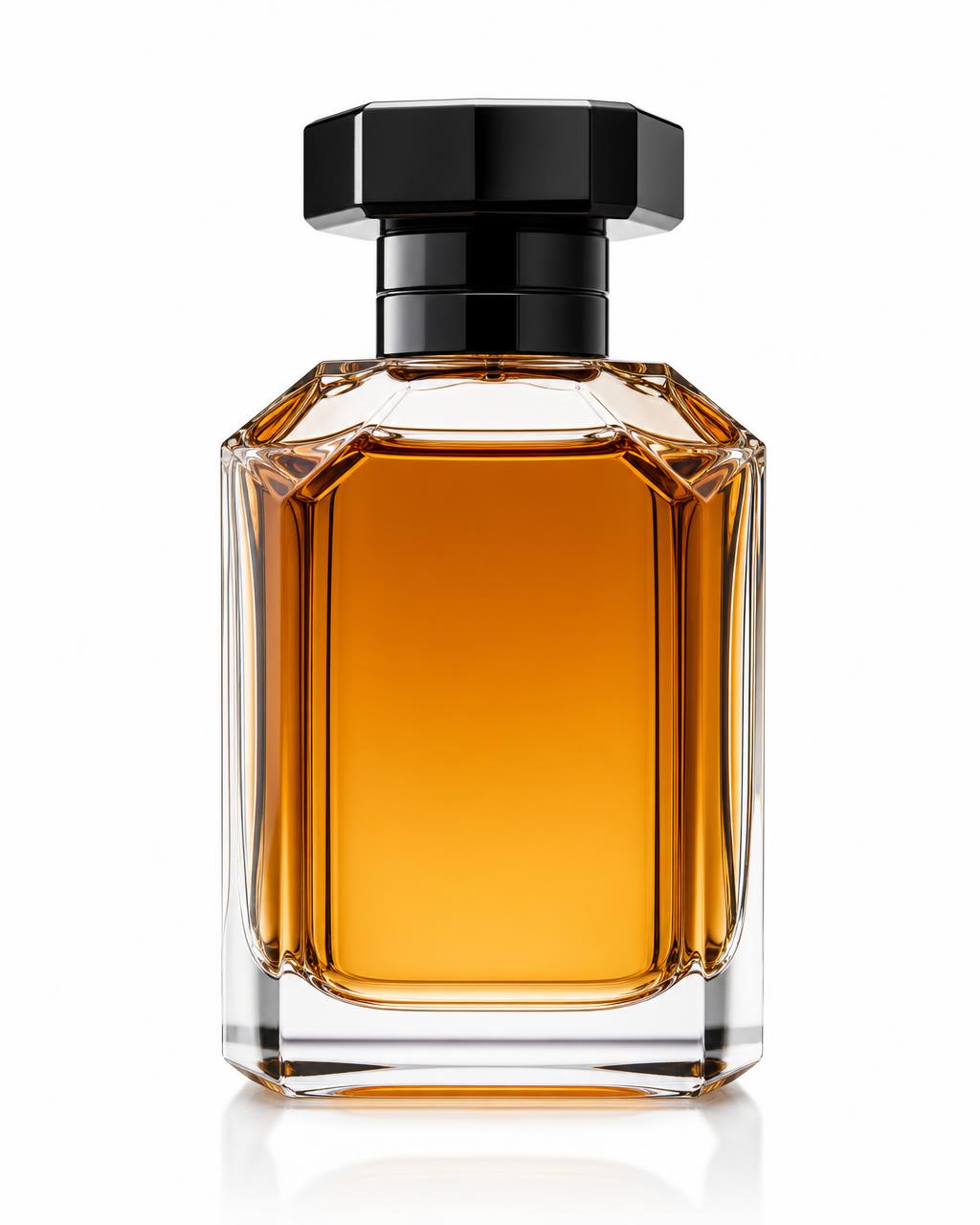
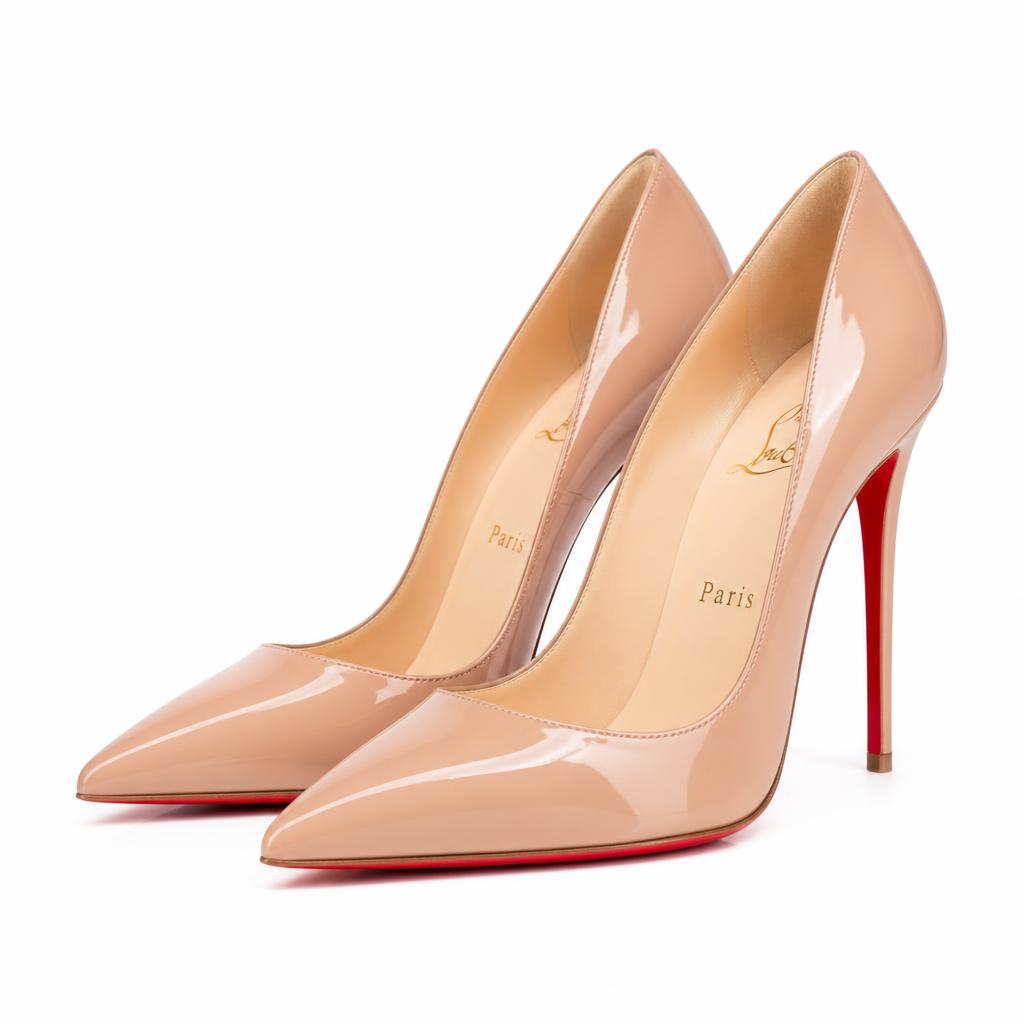
Shop the story

Relationships
A written wishlist
The information he was guessing at.
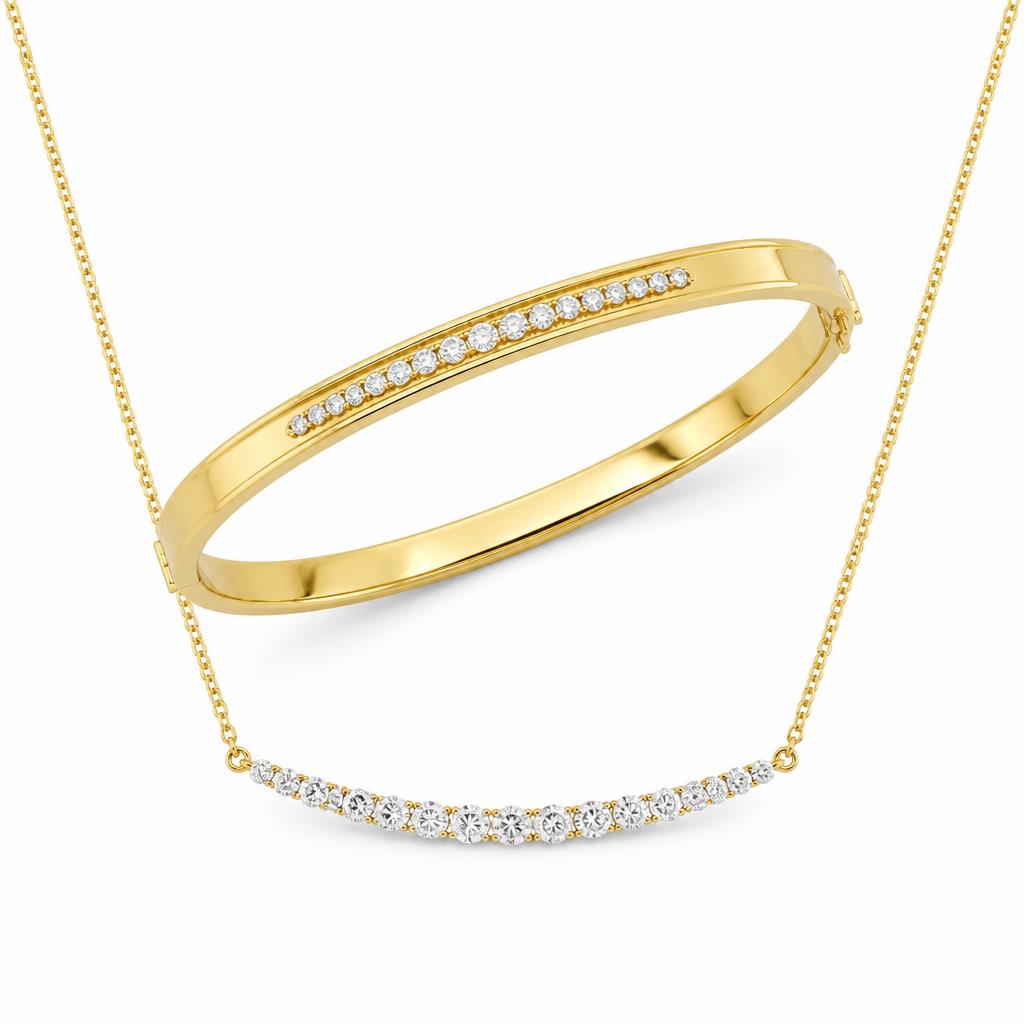
Editor's pick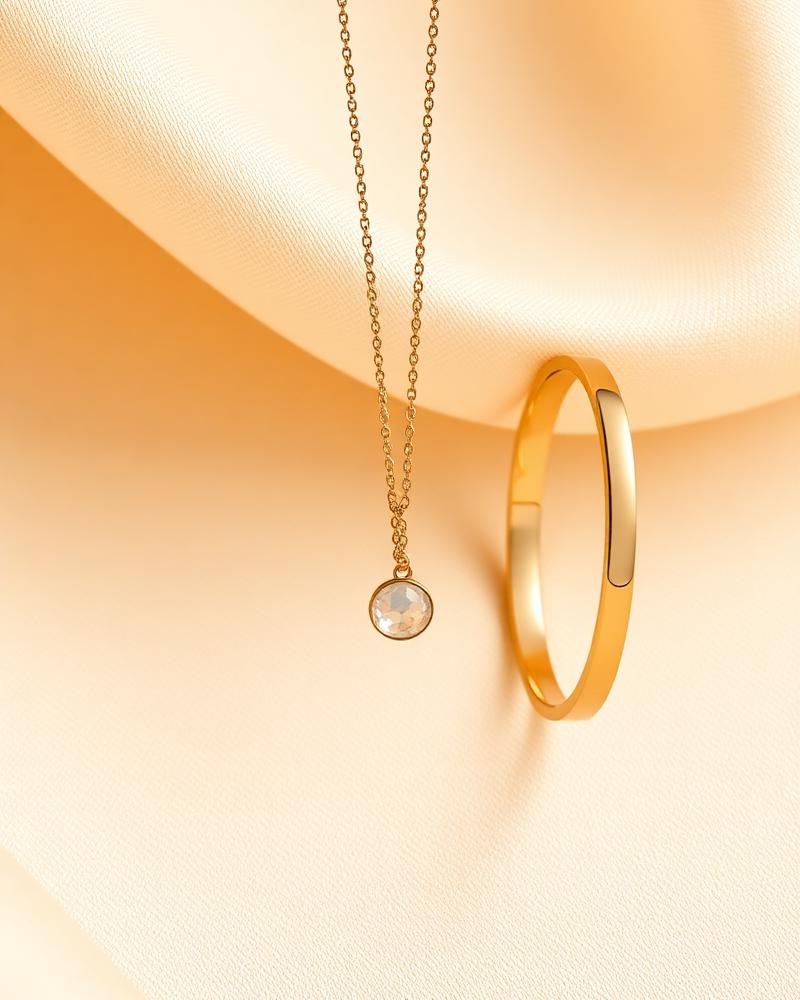
Cartier
One piece of fine jewellery
Chosen, not negotiated.
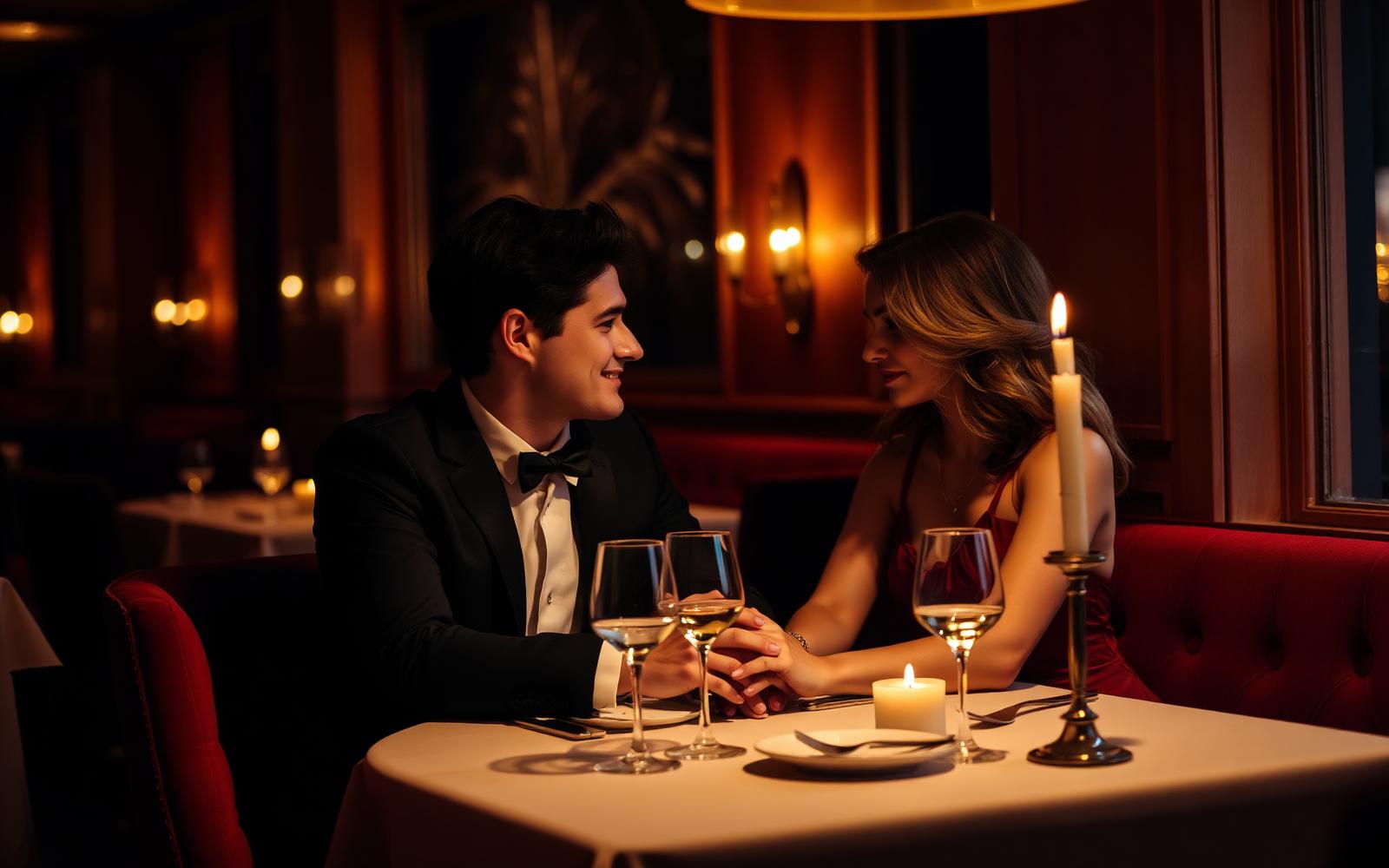
Relationships
A dinner, booked by him
The timing stays his.
Editor's pick